

Introduction
In 2024, influencer marketing continues to evolve, pivotal in shaping consumer preferences and behaviors. It’s not just about celebrity endorsements but authenticity, relatability, and engagement. This blog dives into the latest trends, facts, and figures in influencer marketing, offering insights into how brands can leverage this dynamic marketing strategy.
The Rise of Influencer Marketing
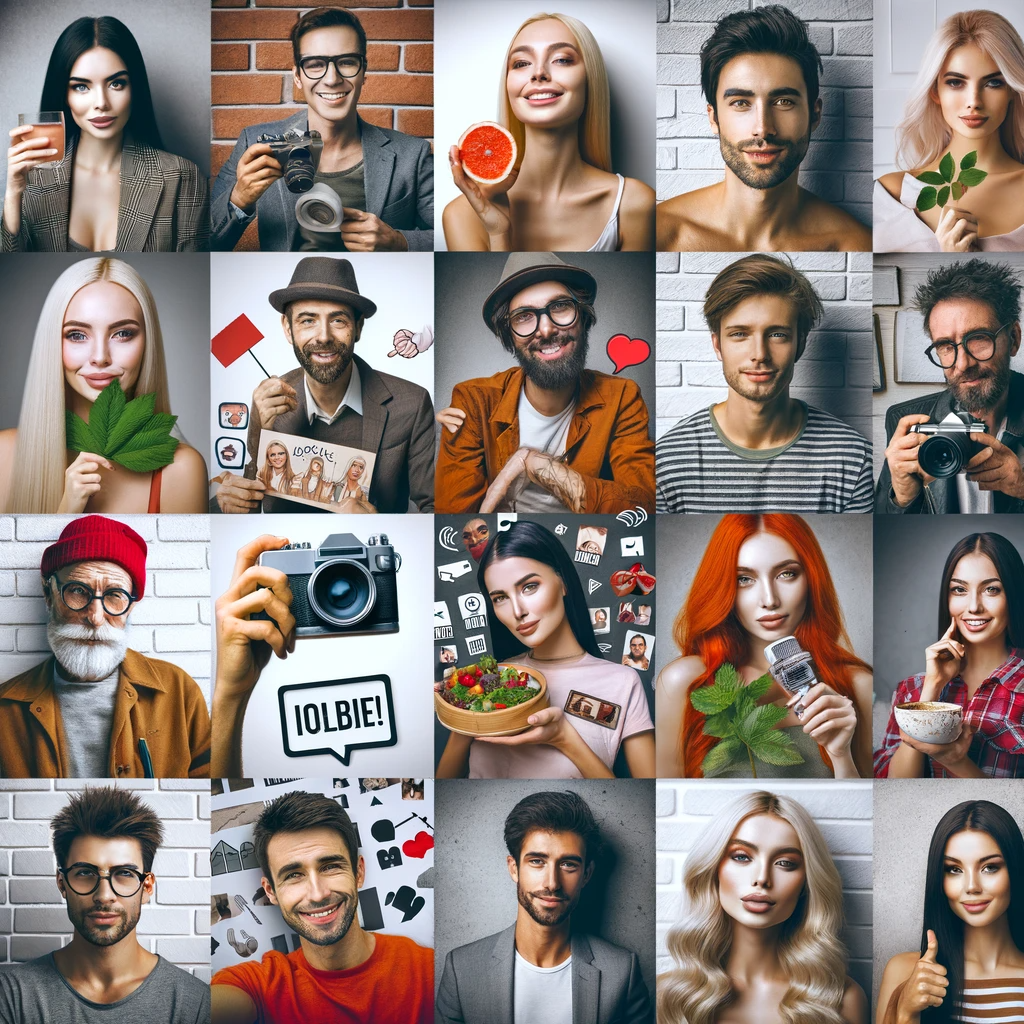
Influencer marketing has grown from a trendy buzzword to a core brand strategy. It involves partnering with individuals with a significant social media following to promote products or services. According to a Business Insider Intelligence report, the influencer marketing industry is set to grow to approximately $15 billion by 2022.
1. The Emergence of Micro-Influencers
Micro-influencers, typically having followers between 10,000 and 100,000, are becoming increasingly popular due to their high engagement rates and niche audiences.
Fact: Studies show that micro-influencers have a 7x more engagement rate on Instagram than influencers with more followers.

2. Authenticity and Relatability
Consumers are seeking genuine and relatable content. Influencers who share real stories and experiences resonate more with audiences, leading to higher trust and better campaign results.
Statistic: A survey by Stackla found that 90% of consumers say authenticity is important when deciding which brands they like and support.

3. Video Content Dominance
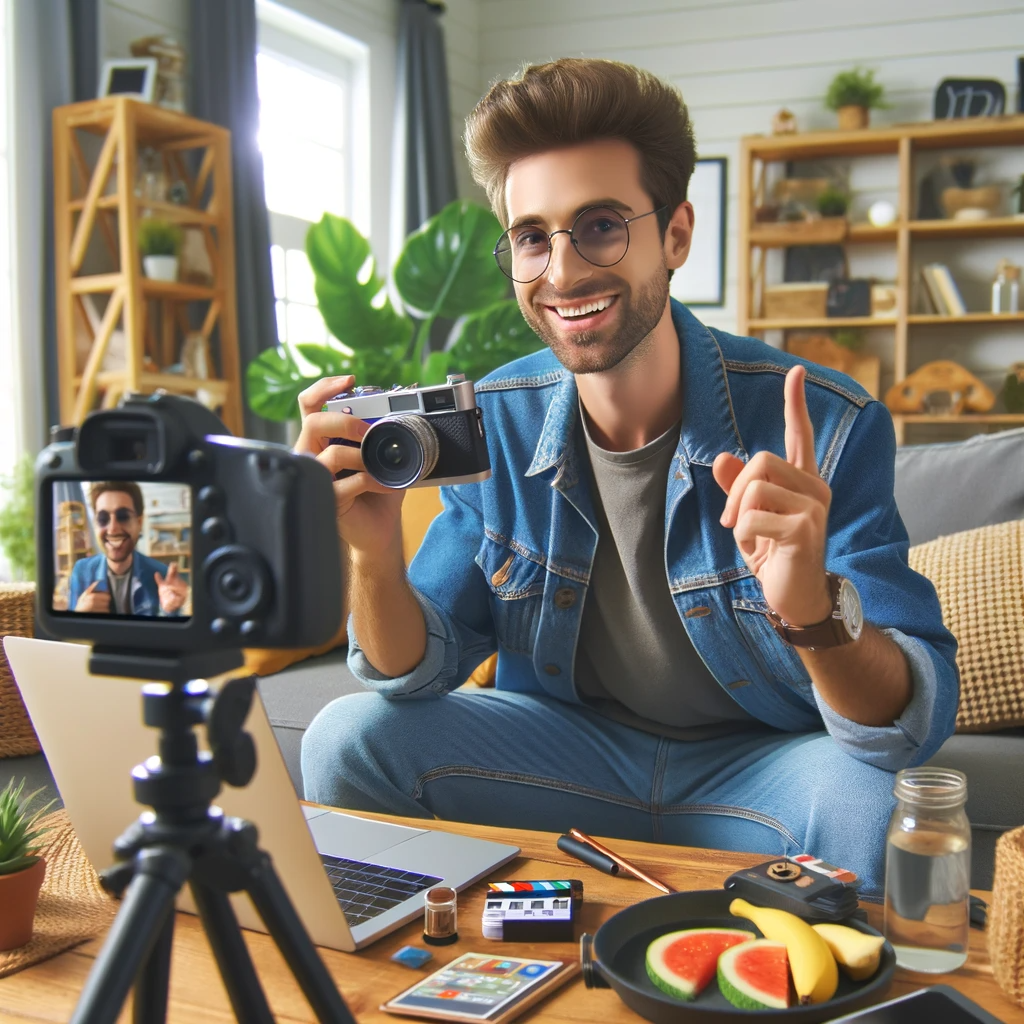
Video content, particularly short-form videos on TikTok and Instagram Reels, dominates influencer marketing. This format is engaging and allows for creative storytelling.
Figure: According to a HubSpot report, video content is 50 times more likely to drive organic search results than plain text.
4. Leveraging Data for Targeted Campaigns
Data-driven influencer marketing is on the rise. Brands use analytics to identify influencers, tailor content, and measure campaign effectiveness.
Fact: A study by Influencer Marketing Hub shows that 84% of marketers believe measuring ROI is critical to influencer marketing success.

5. The Rise of Influencer Collaborations and Brand Partnerships
Collaborations between influencers and long-term brand partnerships are becoming more common as they offer mutual benefits and greater authenticity.
Statistic: A study by Linqia indicates that 39% of brands plan to increase their influencer marketing budget, with many focusing on long-term partnerships.

6. Ethical Considerations and Transparency
Ethical practices and transparency are paramount with the increasing scrutiny of influencer marketing. Disclosures and honest reviews are essential to maintain trust.
Fact: The Federal Trade Commission (FTC) mandates that influencers disclose sponsored content clearly to maintain transparency.

Conclusion
Influencer marketing in 2024 is about authenticity, engagement, and strategic partnerships. By understanding these trends and adapting strategies accordingly, brands can harness the power of influencer marketing to connect with their audience meaningfully. Staying attuned to the evolving landscape of influencer marketing will be crucial for brands looking to create impactful, authentic, and ethical marketing campaigns.